Application Note·10 December 2025·5 min read
Cold-Chain Labelling: How to Stop Labels Falling off Frozen Cartons
S
Written by
Sunil Verma, Application Engineer

Every December our application engineering team takes a flurry of calls from cold-chain customers — frozen food, pharma cold-chain logistics, and seafood exporters — all reporting the same symptoms. Labels that print perfectly at room temperature lift off the carton inside the freezer.
The diagnosis is almost always one of three things: the wrong adhesive, condensation on the label face during application, or a wax ribbon where wax-resin should have been used.
Cold-chain labels need a freezer-grade adhesive (typically a specially formulated acrylic) applied to a dry, room-temperature carton. The carton temperature matters more than the freezer temperature — a label applied to a carton that has been pre-cooled to -10 °C will not develop initial bond strength and will fall off within hours.
On the ribbon side, the freezer environment itself is not the problem. The problem is condensation when cartons cycle from freezer to dispatch. A wax ribbon will smear under that wet contact. Wax-resin or resin solves it.
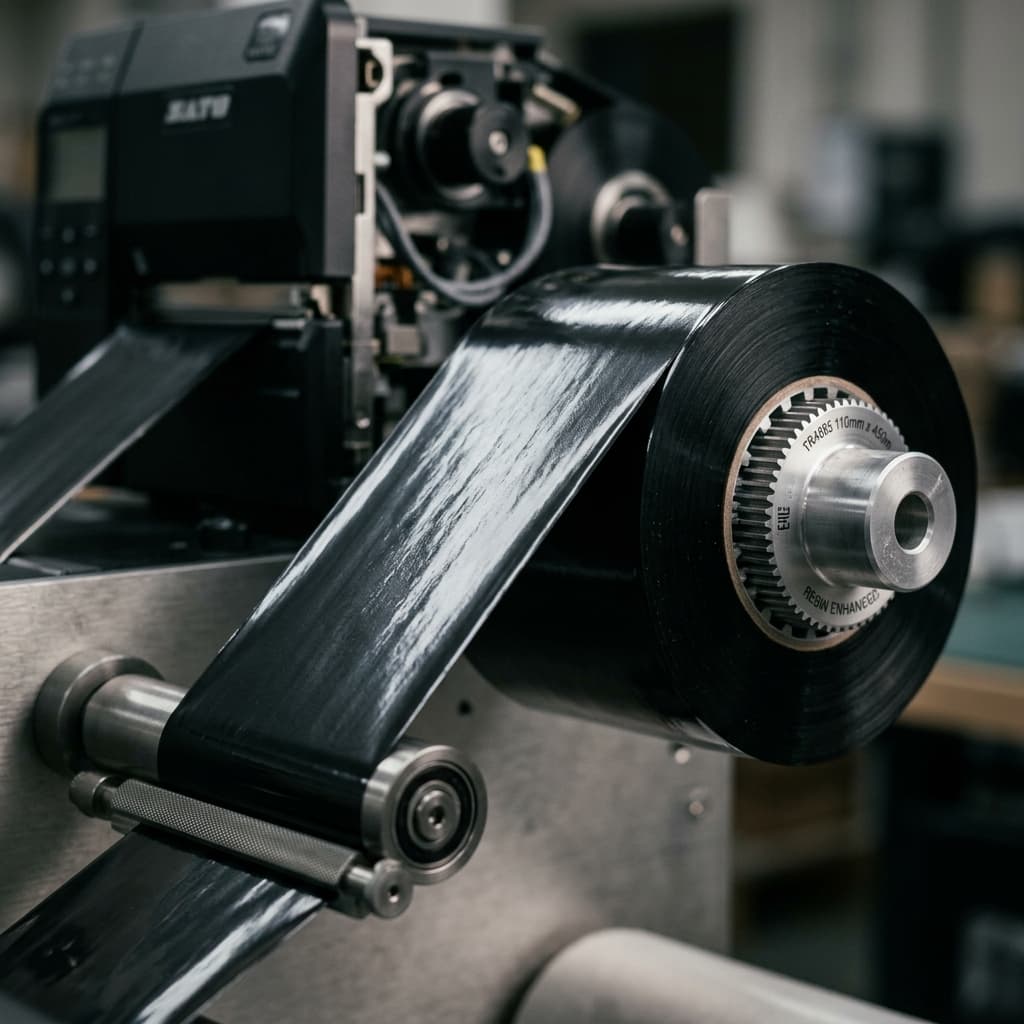
The three thermal transfer ribbon families look identical on a roll. The difference shows up six months later, on a label exposed to oil, sunlight or alcohol. Here is how to pick the right one the first time.
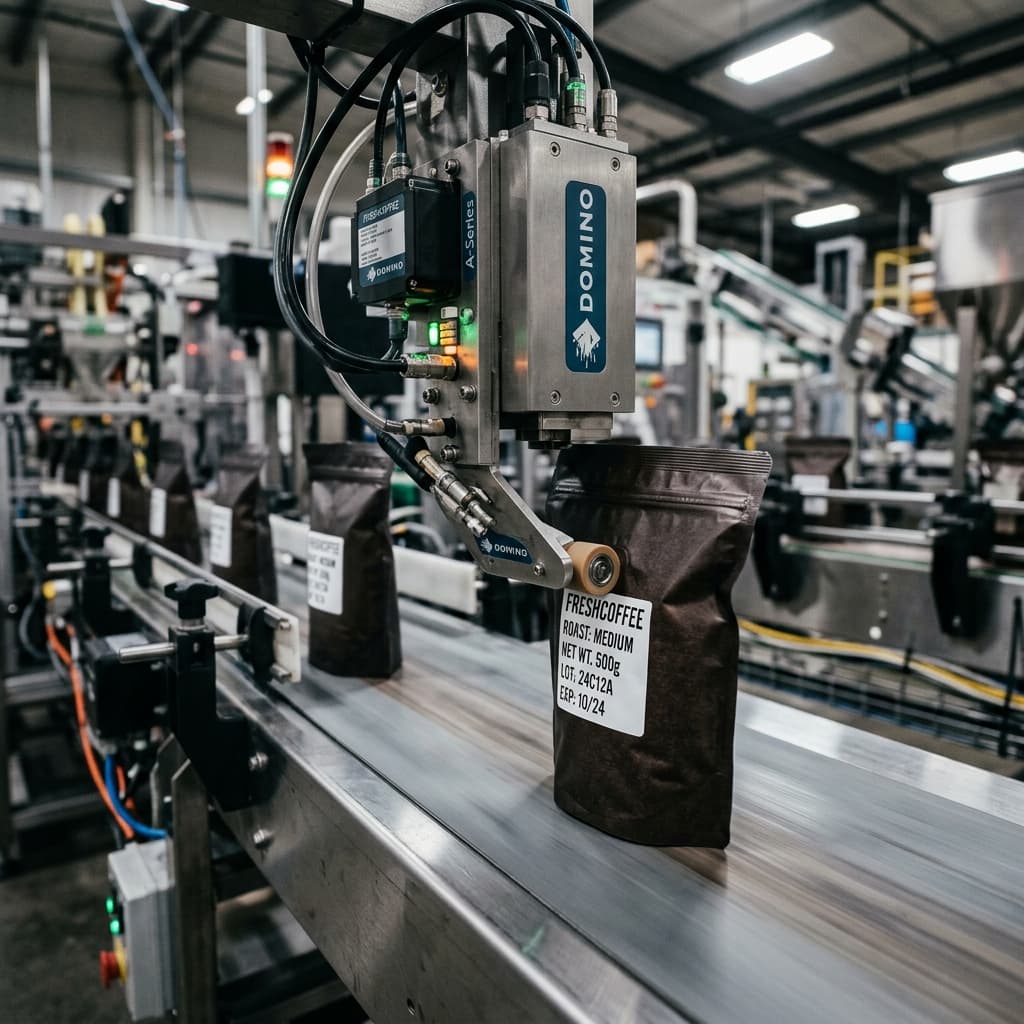
TTO coders on packaging lines are not desktop printers. The geometry of the printhead changes the chemistry the ribbon needs to survive.

From halogen-free formulations to recycled paper cores, the sustainability conversation has moved from marketing line to procurement spec.