Sustainability·18 February 2026·5 min read
Sustainable Packaging in 2026: Where TTR Fits In
A
Written by
Ankit Patel, Sustainability Officer

When we first heard procurement teams ask for halogen-free thermal transfer ribbons in 2014, it was unusual enough that we had to explain what halogen-free meant. Twelve years later, it is a hard requirement on almost every European tender we receive.
The sustainability conversation in our industry now spans the full value chain. Ribbons are scrutinised for halogen content, substrate origin and end-of-life recyclability. Cores are evaluated for recycled fibre content. Cartons are required to be FSC-certified or compostable. Composite cans must declare their per-pack carbon footprint.
Our response has been a quiet, steady programme. Since 2022 every wax and wax-resin formulation in our catalogue has been halogen-free. Our paper cores use 85% post-consumer recycled fibre on average. Our composite cans now offer a fully paper-based variant with no plastic liner for dry powders.
The trickiest piece is education. A pharma customer recently asked whether they could switch from polyester labels to paper to improve recyclability. The answer was no, because the autoclave step would destroy paper labels. The right sustainability decision is rarely the obvious one — it is the one where lifecycle, performance and regulation all align.
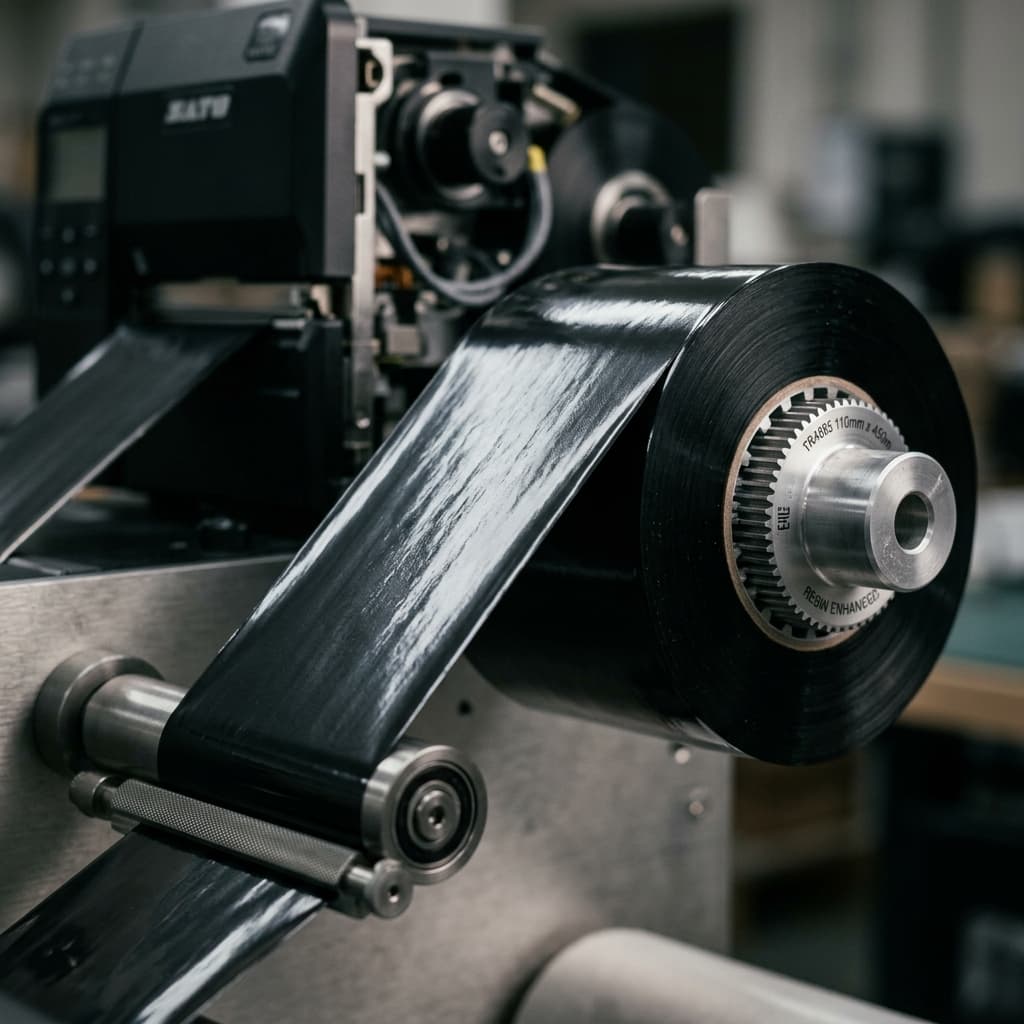
The three thermal transfer ribbon families look identical on a roll. The difference shows up six months later, on a label exposed to oil, sunlight or alcohol. Here is how to pick the right one the first time.
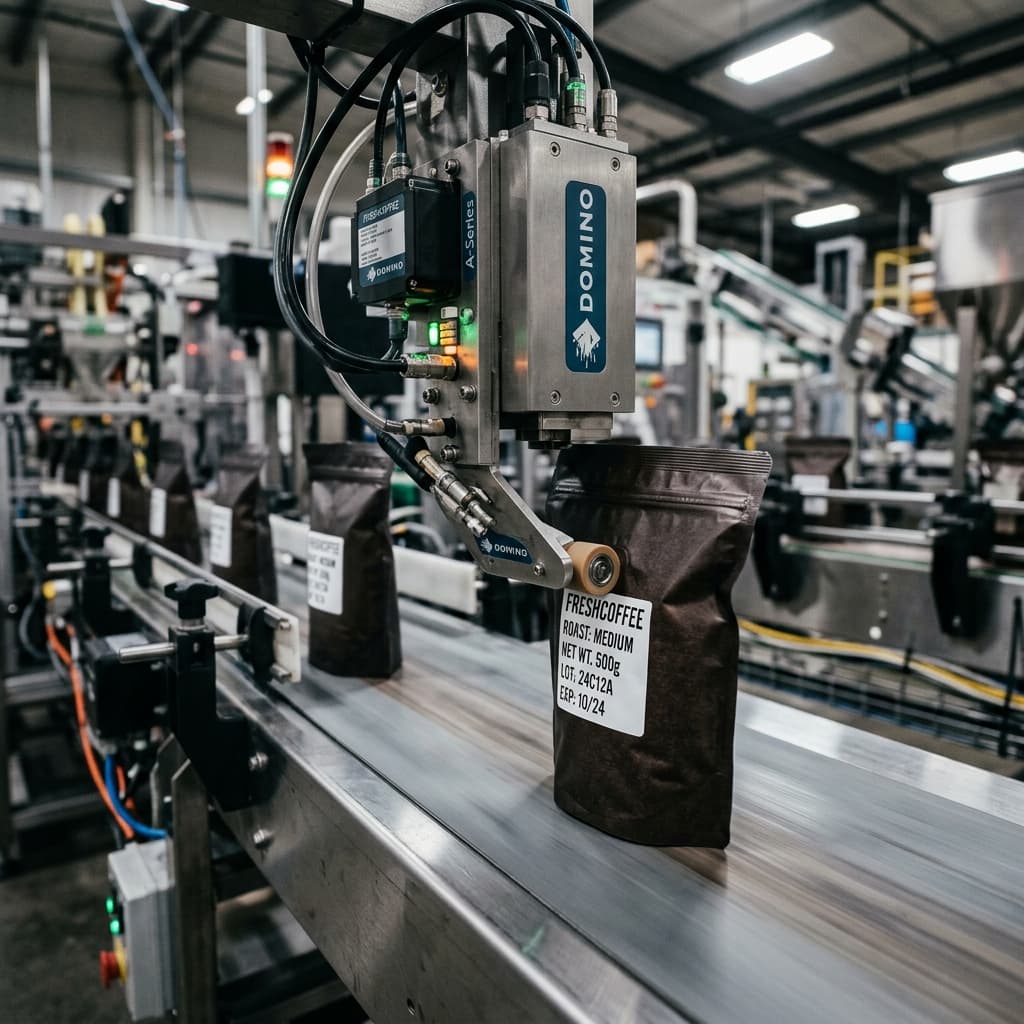
TTO coders on packaging lines are not desktop printers. The geometry of the printhead changes the chemistry the ribbon needs to survive.

DGFT and CDSCO regulations have evolved fast. Here is a checklist of what your printing and packaging line should already be doing.