Compliance·22 January 2026·7 min read
Pharma Serialisation: What Indian Manufacturers Should Get Right This Year
D
Written by
Dr. Reema Iyer, Regulatory Lead

Indian pharmaceutical manufacturers exporting to regulated markets have spent the last decade building serialisation infrastructure. The next phase is no longer about installing equipment — it is about making sure every component, including ribbons, labels and cartons, is qualified for the workflow.
A serialisation line is only as reliable as its weakest consumable. We have seen customers invest crores in vision systems and aggregation conveyors, only to have batches rejected because a substandard wax ribbon faded the 2D matrix code below the quality threshold during transit.
The non-negotiables we recommend: resin-grade ribbons for any code that will be re-scanned downstream, GS1-compliant pre-printed cartons with reserved variable-data zones, and validated label media that has been bench-tested with your print energy and speed settings.
A surprisingly common gap is not in the print itself but in supplier documentation. Regulators want batch traceability for the consumables, not just for the active ingredient. Make sure your ribbon and label supplier ships with batch certificates of analysis — and that those certificates name the qualified raw material lots.
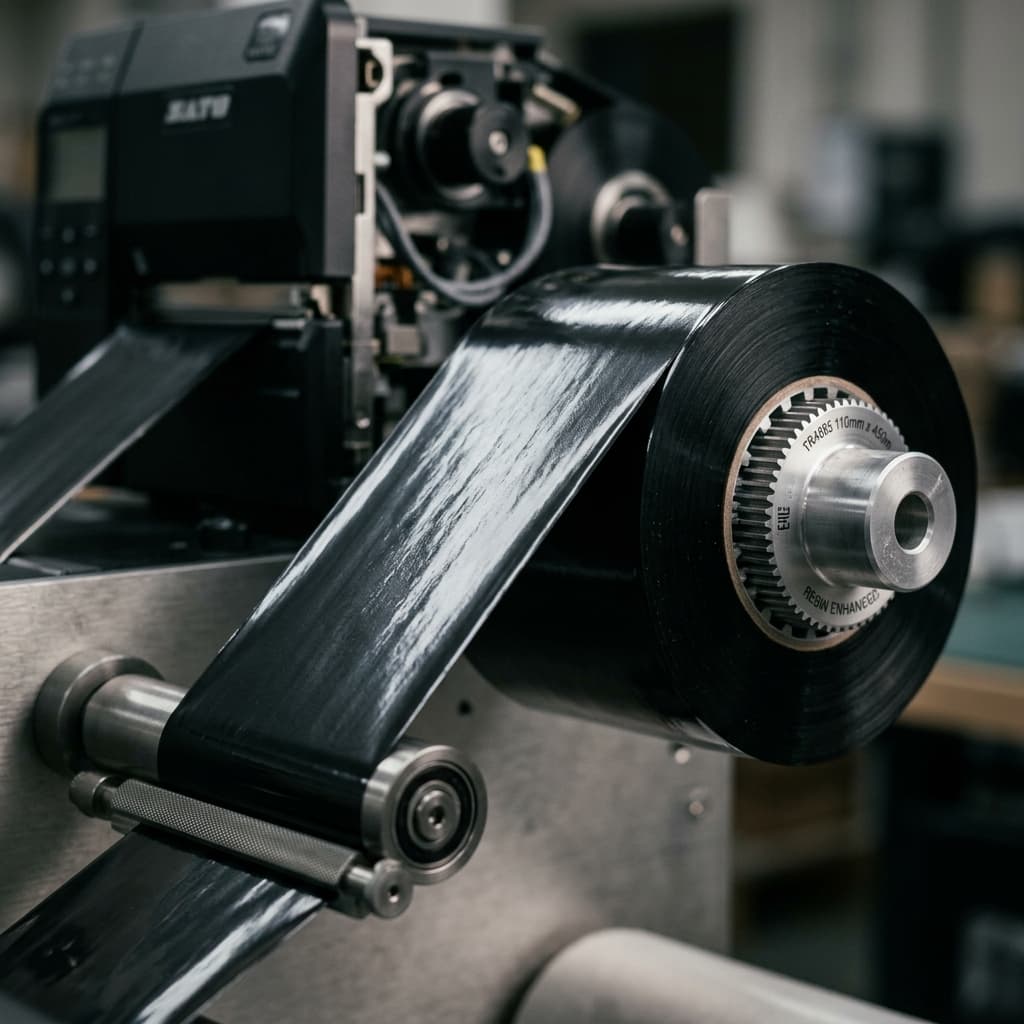
The three thermal transfer ribbon families look identical on a roll. The difference shows up six months later, on a label exposed to oil, sunlight or alcohol. Here is how to pick the right one the first time.
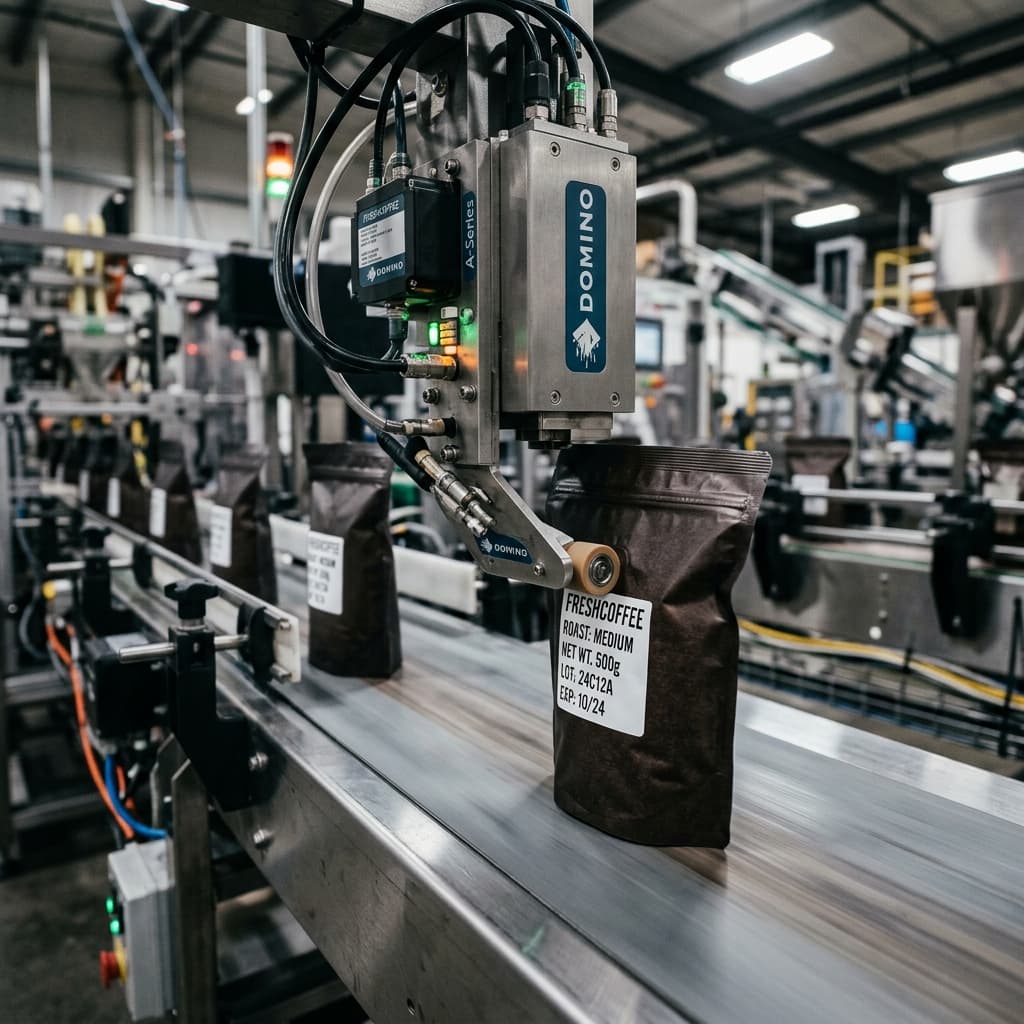
TTO coders on packaging lines are not desktop printers. The geometry of the printhead changes the chemistry the ribbon needs to survive.

From halogen-free formulations to recycled paper cores, the sustainability conversation has moved from marketing line to procurement spec.